
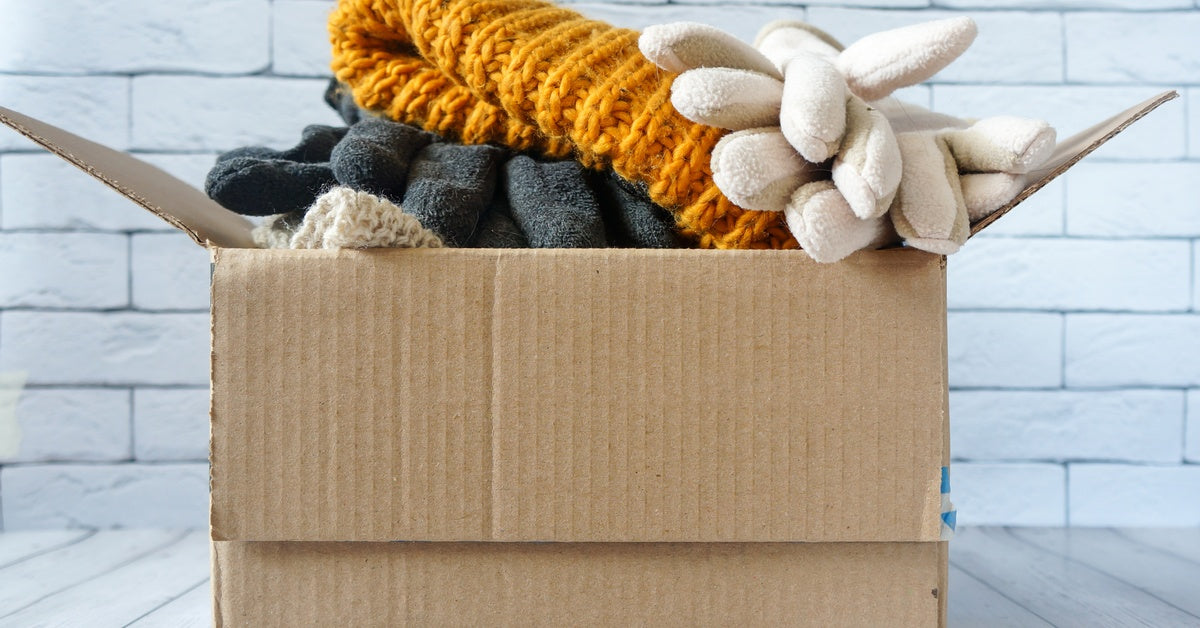
Winter presents significant challenges for people experiencing homelessness, as cold temperatures pose serious health and safety risks. If you're looking to help, it's important to know which items are most effective.
Shelters often receive donations that, while well-intentioned, may not be what is most needed or practical to distribute. To make the greatest impact, focus on providing durable, high-quality items that protect individuals from the elements. Whether you’re organizing a donation drive or buying items yourself, knowing what to provide can make a difference. Here are 10 essential winter clothing items that homeless shelters need the most.
1. Thermal Underwear
Thermal underwear, or long johns, is an essential base layer for preserving body heat. It provides a first line of defense against the cold by offering insulation without adding bulk.
When choosing thermal underwear, look for moisture-wicking fabrics like synthetic blends or wool. These materials draw sweat away from the skin, which helps the wearer stay dry and warm. Cotton absorbs moisture and lowers body temperature, so it’s best to steer away from this choice.
Consider donating multiple sizes to accommodate various body types. Packaging them in sets can make it easier for shelters to distribute them to those in need.
2. Heavy-Duty Socks
For people experiencing homelessness, clean, dry socks are essential for foot health. Constant exposure to the elements and walking on hard surfaces puts feet at risk, and conditions like frostbite can develop quickly in cold weather.
When donating, consider wool or thermal socks. These materials provide better insulation and cushioning than cotton, and they stay warm even when wet. Dark-colored socks are preferred, as they don't show dirt as easily. A fresh pair of socks can offer comfort and crucial protection against serious health issues.
3. Insulated Gloves and Mittens

Hands are constantly exposed to the elements, making simple tasks difficult when fingers are frozen. High-quality gloves protect against wind and frostbite. Water-resistant options are particularly valuable in snowy or rainy climates.
Mittens actually keep hands warmer than gloves because fingers share warmth, though gloves offer more dexterity. A mix of both styles gives recipients options based on their daily needs.
To maximize this donation, choose gloves with reinforced stitching or grip pads. These features help them last longer and withstand daily wear.
4. Winter Hats and Beanies
When temperatures drop, your head and face are the most exposed parts of your body, making them a primary source of heat loss. A high-quality hat serves as critical insulation for your core temperature.
While many styles exist, beanies are still the gold standard for cold-weather gear. Their stretchable, one-size-fits-all design ensures a snug fit for any wearer.
Fleece-lined options provide extra protection against the wind. When assembling care packages for homeless shelters, tucking a warm beanie inside is a thoughtful touch that takes up very little space, but offers huge relief.
5. Waterproof Winter Coats
A coat is your primary defense against the elements, so it’s best to choose one that’s waterproof or water-resistant. If the coat gets soaked through, it loses its insulating power, leaving the person at risk for hypothermia.
Heavy wool coats are warm but become heavy when wet and take a long time to dry. Synthetic down or puffy jackets are often better choices because they dry faster and offer excellent heat retention. Darker colors are generally preferred for their practicality.
For shelters with limited storage, prioritizing durable, multifunctional coats gives them the flexibility to distribute items that will last through harsh conditions.
6. Scarves and Neck Gaiters
Even with a warm coat and hat, cold air can still affect the skin, especially around the neck. Scarves are a simple but crucial item for staying warm, effectively sealing the gap between the collar and chin to protect against biting winds.
Neck gaiters are another excellent item to donate. These fabric tubes are often preferred as they slide over the head and stay securely in place without unraveling. Materials like fleece and merino wool provide excellent insulation and feel soft against the skin.
7. Rain Ponchos
While not strictly for warmth, staying dry is a prerequisite for staying warm. A wet layer of clothing in freezing temperatures is dangerous. Rain ponchos are lightweight, portable, and fit over bulky winter coats.
These are especially useful for unexpected storms. Because they fold down so small, they are easy for individuals to carry in a pocket or backpack until needed.
8. Sturdy Boots

Footwear is one of the most critical items for people experiencing homelessness, especially during winter. While sneakers are a common donation, they often lack the qualities needed to protect feet from snow and slush.
Sturdy, insulated, and water-resistant boots make a difference in keeping feet warm and dry. Look for options with good tread to help prevent slips on icy surfaces.
9. Sweatpants and Hoodies
Layering is one of the most effective strategies for regulating body temperature in cold conditions. Sweatpants and hoodies make excellent middle layers, providing warmth and comfort. They’re ideal for sleeping, thanks to their softness and flexibility, but are also durable enough for everyday use.
For maximum insulation, prioritize items with fleece linings. Hoodies are particularly useful because they provide extra head protection, which is crucial if a hat is lost or wet. Additionally, elastic waistbands and relaxed fits in sweatpants make them versatile for people of all sizes, while hoodies with adjustable drawstrings offer a customizable fit.
10. Hand and Foot Warmers
Disposable chemical warmers provide instant relief on particularly frigid nights. While not clothing, they’re accessories that complement winter gear perfectly. They can be slipped into gloves or boots to generate heat for several hours.
These are inexpensive to buy in bulk and are always in high demand. They offer a quick solution to numbness and pain caused by the cold.
When you decide to organize a drive or make a personal contribution, focusing on these specific items guarantees your efforts meet real needs. Shelters often struggle with storage, so receiving new, sorted, and practical items saves them time and resources.
If you want to donate a large amount of winter clothing to homeless shelters, 2Moda sells bulk winter gear that's ideal for charity drives. Check out our inventory today to find high-quality supplies that will help keep your community warm this winter.