
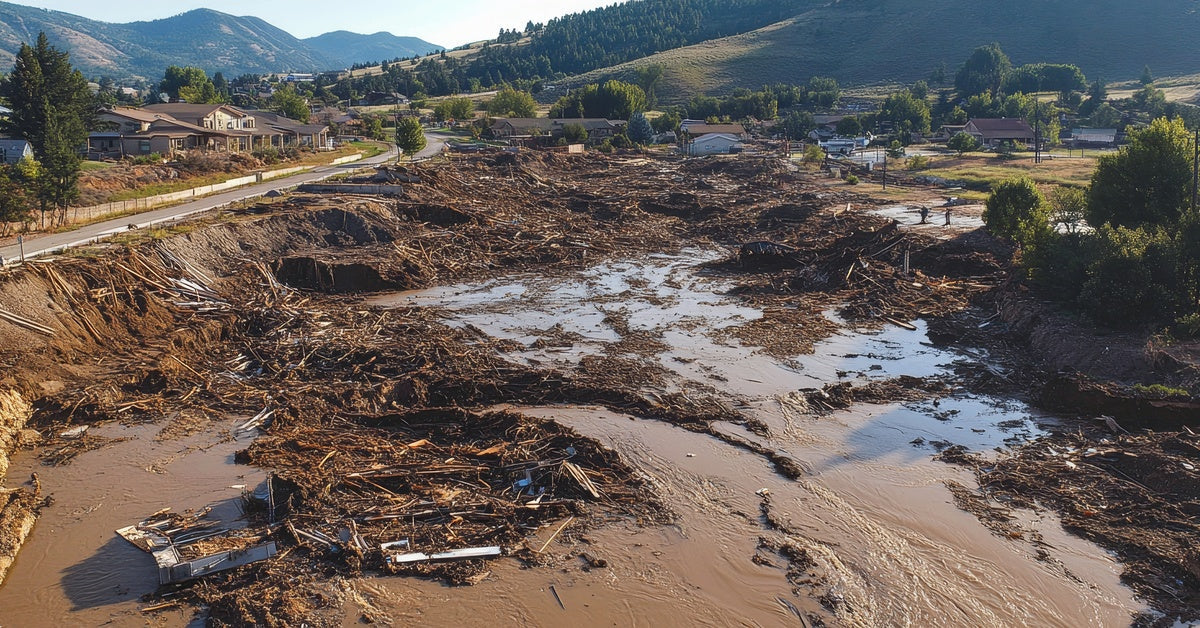
Disasters strike without warning, leaving survivors to rebuild their lives. While immediate needs like food, water, and shelter take priority, other necessities quickly follow. Transporting supplies and carrying personal belongings become crucial tasks. In these situations, a simple backpack can be a lifeline, offering organization and stability.
Backpack donations are a powerful but overlooked item needed in disaster recovery efforts. They show that relief isn’t just about rebuilding structures; it’s about rebuilding lives.
Why Backpacks Matter in Crisis Zones
Imagine having to leave your home in a hurry. You'd grab your most essential belongings, but carrying them in your arms or in plastic bags would be difficult. Not only would it be hard to move, but your things could also get damaged or lost.
Having a backpack frees up your hands, so you can move through debris, hold a child's hand, or carry food and water. In a crowded shelter, a backpack also gives you space to keep things like toothbrushes, important documents, and medication. It helps create a small sense of personal ownership in a shared space.
Durability also matters. Flimsy bags rip easily, while quality backpacks withstand tough conditions and protect contents from rain or dust. This reliability reduces stress for survivors during an already difficult time.
Support Education Amidst Chaos
When disasters strike, a child’s education is often put on hold. Schools may be destroyed or turned into shelters, but it’s so important to get kids back to learning quickly. A routine helps them heal from what they’ve been through.
Donated backpacks filled with notebooks, pencils, and supplies can have a big impact. For parents already struggling to cover basic needs, school gear shouldn’t be an added burden. A new backpack reminds kids that their future is important.
Kits for Hygiene and Health
Backpacks are excellent for distributing essential supplies. Aid organizations often struggle to hand out multiple small items efficiently. Packing hygiene kits with soap, toothpaste, sanitary pads, and towels in a backpack streamlines distribution.
Recipients benefit twice: they receive much-needed items and can reuse the sturdy bag for other purposes. The same applies to medical supplies like first-aid kits, medications, and health pamphlets, which can all be pre-packed into backpacks.
The Logistics of Distribution

Distributing aid in disaster zones is logistically challenging. Roads might be blocked, and fuel scarce, so every inch of cargo space counts. Backpacks, which are soft and pliable, can be compactly packed or stacked, making them easier to transport than rigid boxes.
On the ground, pre-packed backpacks speed up distribution. Volunteers don’t have to count out individual items for each person—they simply hand over a complete bag. This efficiency is crucial while hundreds of people wait for help. Using wholesale backpacks allows organizations to maximize their impact. Buying in bulk lowers costs and gives everyone the same quality of aid.
Tailor Aid to Specific Needs
Disasters come in many forms, and each needs different supplies. Backpacks make it easy to customize what you need.
For cold climates, a backpack might include warm socks, a thermal blanket, and gloves. In a tropical storm, it could hold insect repellent, sunscreen, and rain ponchos. Volunteers can create specialized packs for different demographics, like a “baby pack” with diapers and wipes or a “senior pack” with reading glasses and flashlights. This targeted approach ensures resources meet people’s specific needs.
Psychological Comfort and Dignity
For disaster survivors, owning a backpack restores a sense of control. It becomes a personal possession where they can organize their belongings and maintain privacy. For displaced individuals, a backpack is like a mobile home, holding essentials like identification, memories, and survival gear.
Replacing a flimsy bag or trash sack with a sturdy backpack provides dignity. It shows recipients they are valued. The design also matters: a bright, colorful bag can bring a spark of hope and positivity, even in a bleak environment.
Empower Local Economies
Recovery doesn’t end with distributing aid—it’s also about rebuilding local economies. Aid organizations can support this by sourcing supplies locally when possible. When local sourcing isn't possible, hiring local workers to organize, pack, and distribute backpacks can still support the community's economy. This injects money into the community and gives people jobs and a sense of purpose.
Donated backpacks also help workers rebuild. Volunteers and locals clearing debris or constructing homes need a reliable bag to carry tools, water, and essentials. Backpacks play a small but important role in these efforts.
Prepare for the Next Emergency

For those living in disaster-prone areas, having a "go-bag" ready is a crucial step. These are essentially survival kits in a backpack filled with essential supplies. Key items include a flashlight, a hand-crank radio, copies of vital records, and a first-aid kit.
Donation drives can focus on preparedness by providing families with empty or filled go-bags ahead of disasters. This preparation reduces panic during evacuations and eases the strain on emergency responders. It also empowers families to take control of their safety before a crisis hits.
Volunteer Engagement and Community Building
Packing backpacks is a hands-on way for people outside disaster zones to contribute. It builds a sense of community and fosters empathy.
These personal connections matter. A handwritten note tucked inside a bag can remind survivors that someone cares. This engagement often leads to ongoing support, creating a cycle of giving that sustains recovery efforts long-term.
How You Can Get Involved
You don’t need to be a large NGO to make a difference. Start by contacting reputable organizations working in disaster zones and ask what they need. Do they require empty backpacks? Pre-packed kits? Specific supplies?
Organize a drive in your community to collect gently used or new, clean, and functional bags. Pool funds with friends to purchase bulk items, which is often more cost-effective than buying them at retail.
Backpack donations are an important aspect of disaster recovery efforts. We see children returning to school, families organizing their belongings, and communities starting to rebuild. These small victories form the foundation of resilience, helping people regain control of their lives and move forward.
If you’re looking for a trusted source for backpack donations, 2Moda offers affordable options perfect for charitable initiatives. Let’s make a difference together.