
You’ve decided to purchase mesh backpacks, but once you start comparing options, everything blends in. Product descriptions repeat the same promises, and it becomes harder than expected to tell which one will perform well in real-world use.
Choosing the right mesh backpack for your needs isn’t about picking what looks good online. It requires understanding who will carry it, what they’ll place inside, and how often they’ll rely on it. When you align those details with the right features, you provide something truly useful. Let’s break down how to make that decision with confidence.
Start With a Clear Purpose
Before you compare features, define exactly how the backpacks will be used. Are students carrying notebooks and folders? Are volunteers packing hygiene kits for outreach events? Are recipients using the bag daily for clothing and personal items? Each scenario requires a different balance of capacity, durability, and comfort.
When you clarify purpose first, you avoid overpaying for unnecessary features or underestimating what recipients need.
Choose the Right Size for Practical Use
Standard School Use
For school drives, choose dimensions that accommodate:
- Spiral notebooks and folders
- Basic school supplies
- A light jacket or hoodie
- A reusable water bottle
Students need enough room to stay organized without carrying excessive bulk.
Community and Outreach Programs
For shelters or nonprofit distribution, recipients may use backpacks differently. They might carry hygiene kits, socks, lightweight clothing, or personal documents. In these cases, slightly larger capacity supports daily life more effectively.
The key isn’t to choose the biggest option available. The goal is to find a size that aligns with realistic use.
Evaluate Mesh Quality and Construction
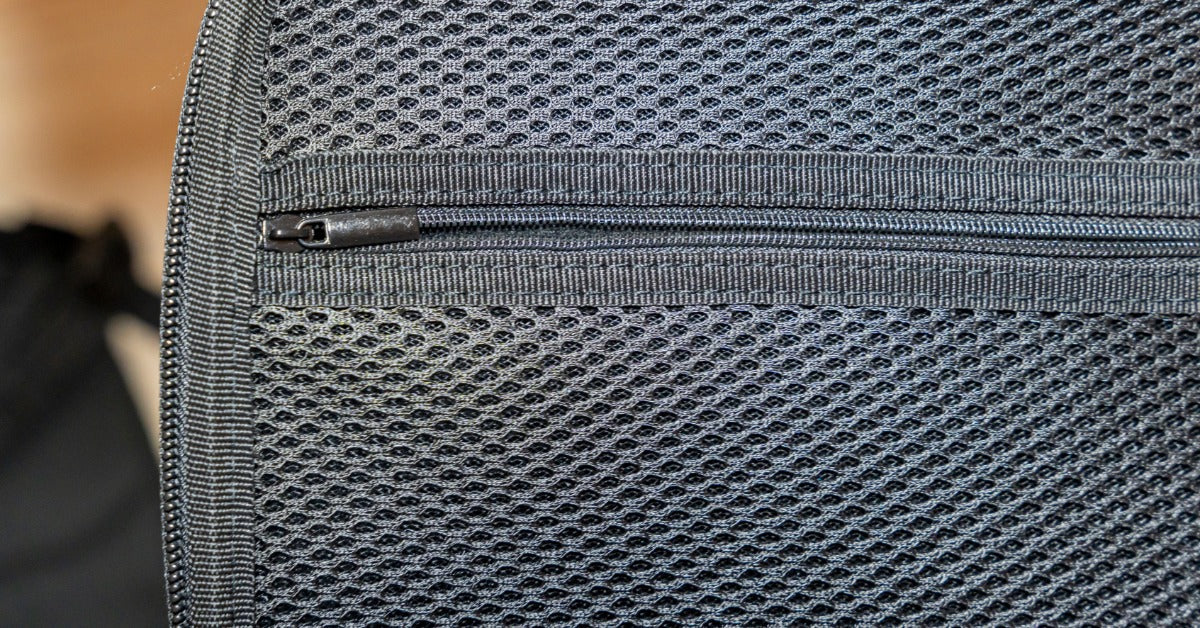
At first glance, most mesh backpacks look the same. The material appears similar, and product photos don’t always reveal differences in quality. However, durability can vary.
When you purchase backpacks for charitable distribution, recipients may use them every single day. Because of that, the mesh, stitching, and construction need to hold up under regular wear and heavier loads.
Examine these elements carefully:
- Double-stitched seams
- Reinforced stress points
- Durable zipper tracks
- Thick, adjustable shoulder straps
- Strong bottom panels
When you choose higher construction standards, you respect the dignity of the person receiving the backpack. Quality communicates care.
Match the Backpack to the Season

Seasonal timing influences practical use. Late spring and summer typically mark high-volume periods for school drives and youth programs. Lightweight mesh construction works well in warmer weather because it promotes airflow and reduces heat buildup.
For year-round outreach, consider how recipients will use the backpack through the seasons. In colder months, individuals may carry gloves, socks, or layered clothing. The bag must support flexible usage without tearing under added weight.
When you think seasonally, you avoid short-term solutions that don’t hold up.
Balance Visibility With Privacy
Mesh backpacks offer transparency, which can serve specific purposes. Many schools require clear or mesh bags for safety compliance. Camps and recreational programs also appreciate easy visibility.
However, consider privacy concerns. If recipients carry personal items, ensure the mesh density provides enough discretion while maintaining airflow.
You should balance safety requirements with dignity. That balance reflects thoughtful planning.
Prioritize Comfort and Fit
Comfort affects daily usability and can undermine even the best backpack. The following features help address that:
- Adjustable shoulder straps
- Wider strap width for weight distribution
- Lightweight overall construction
- Balanced proportions
Children carrying textbooks need proper support for that weight. Adults carrying clothing or hygiene supplies also benefit from ergonomic design. Small details like strap width and stitching placement make a noticeable difference.
When you prioritize comfort, you improve long-term satisfaction.
Consider Volume Purchasing Strategy
If you organize drives or nonprofit programs, you likely purchase in larger quantities. Buying mesh backpacks in bulk allows organizations to maintain consistent sizing and streamline distribution.
Standardized backpacks make packing faster and reduce confusion during events. Volunteers can sort, fill, and distribute supplies more efficiently when every bag matches.
Bulk purchasing also reduces per-unit costs, which stretches donation dollars further. For charities, schools, and outreach programs, efficiency directly increases impact.
Think About the Age Group
Children, teens, and adults use backpacks differently. Their body sizes and daily needs vary significantly.
Younger students benefit from lighter-weight models with manageable dimensions. Teenagers may require more storage space for larger binders and additional supplies. Adults receiving donated goods often prioritize durability and capacity over compact design.
If your drive serves mixed age groups, consider selecting a versatile size that works across demographics.
Examine Distribution Logistics

Your decision doesn’t end at purchase. You also need to think about storage, transport, and distribution.
Mesh backpacks stack efficiently and compress slightly, which makes storage easier before your event. Their lightweight design simplifies transportation for volunteers. During packing, mesh allows teams to visually confirm contents without reopening each bag.
This feature saves time. Volunteers work faster and more accurately when they can see what’s inside.
Protect Your Budget Without Compromising Quality
Every charitable effort operates within financial limits. While cost plays an important role, extremely low prices often signal reduced durability.
Instead of choosing the cheapest option available, evaluate value. A slightly higher upfront cost often results in longer-lasting use. Durable backpacks reduce the need for replacements and maintain their structure throughout the school year or outreach cycle.
Helpful Pointers To Remember
If you still feel unsure, return to the basics:
- Define the primary use.
- Confirm appropriate size and capacity.
- Inspect stitching and durability.
- Evaluate comfort features.
- Consider volume and budget efficiency.
- Plan for distribution logistics.
When you follow this structure, you remove uncertainty from the process and shift to strategic planning.
Understanding how to choose the right mesh backpack empowers you to act with clarity rather than pressure. Whether you coordinate school supply drives, nonprofit outreach programs, or charitable distributions, informed purchasing decisions strengthen your impact.
Organizations across the country rely on dependable wholesale suppliers who understand donation logistics. 2Moda supports schools, charities, and community groups with bulk backpacks and essential supplies that align with large-scale distribution needs.
If you’re preparing for an upcoming drive or seasonal outreach initiative, review your requirements carefully and choose products that reflect both quality and purpose. Thoughtful planning ensures that every backpack you distribute serves someone well.