
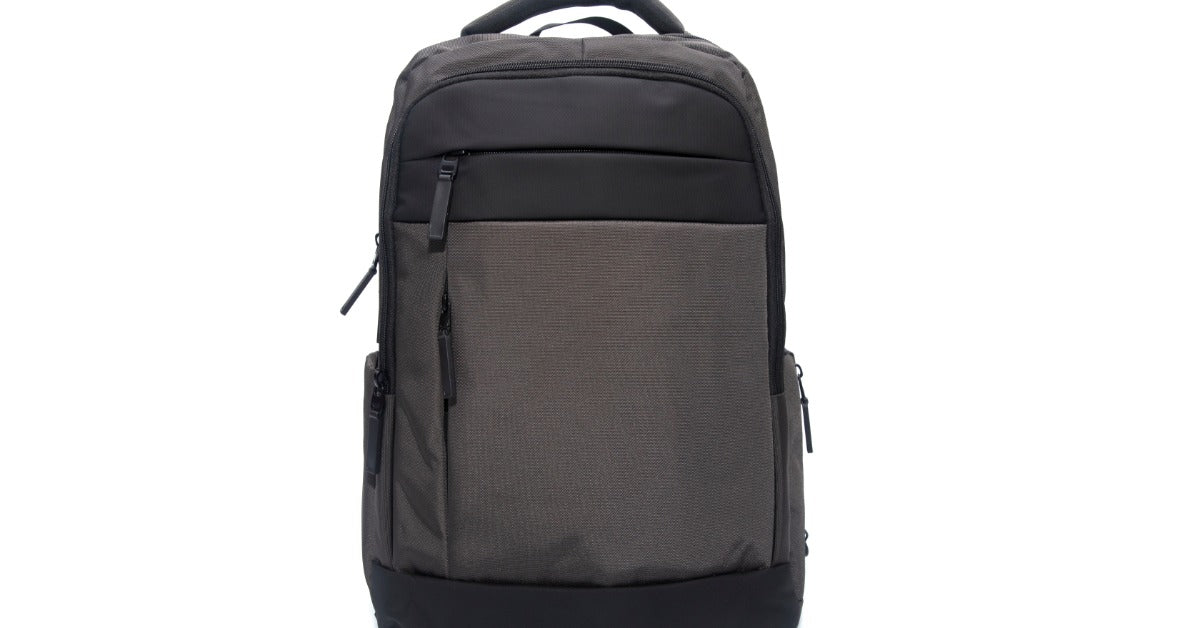
Every summer, donation drives begin filling community centers and nonprofit offices across the country. Donors want their support to reach recipients quickly, yet many still debate which type of items work best. When charities compare pre-filled versus empty backpacks to decide which options make better donations, several practical details shape the answer. Let’s dive into everything you need to know.
Why Donation Choices Matter
Backpack donations do far more than hand students a bag for school supplies. Many children arrive at school without supplies or basic hygiene products, which places added pressure on teachers and families.
Donation programs help students begin the year with confidence and fewer barriers inside the classroom. Therefore, organizers spend a great deal of time deciding which donation format supports the largest number of children.
A thoughtful donation strategy helps nonprofits stretch resources while keeping the process manageable.
Financial Impact
Budget planning shapes nearly every large donation campaign. Pre-filled backpacks usually cost more upfront because they include notebooks, crayons, binders, calculators, and other classroom essentials. Empty backpacks lower the starting cost and allow donors to spread purchases across several weeks or fundraising events. Community organizers also look at shipping costs and storage needs before making a final decision.
Benefits of Pre-Filled Packs

Pre-filled backpacks create convenience for schools, shelters, and charities that manage large events. Volunteers can sort and distribute supplies quickly without opening additional boxes or organizing separate stations. Additionally, students receive everything they need in one moment, which helps families prepare for the first day of school with less stress.
Many organizations favor pre-filled donations because they simplify event planning and reduce last-minute supply shortages. Some groups purchase back-to-school supply kits because these sets include age-appropriate essentials packaged together for quick distribution.
A complete kit also gives donors a clearer picture of what each child receives during the drive. Key advantages include:
- Consistent supplies for every student
- Easier budgeting for nonprofits and churches
- Reduced volunteer sorting time
- Greater convenience for families with limited transportation
Advantages of Empty Backpacks
Some donation programs prefer empty backpacks because they allow students and families to choose supplies based on personal needs. Younger children may need crayons and safety scissors, while older students may require graph paper or flash drives. Because of those differences, organizations sometimes distribute empty bags first and then provide supply vouchers or shopping opportunities later.
Empty backpacks also work well for nonprofits that receive donated supplies throughout the year instead of during a single seasonal campaign. Storage becomes simpler because volunteers don't need to keep thousands of pre-packed kits in climate-controlled areas. Schools with ongoing support programs may restock supplies gradually based on classroom requests. As a result, organizations maintain greater flexibility without wasting unused materials.
Personal Choice
Students appreciate having some control over their school supplies and backpack style. Teenagers may avoid using bags that appear too small, brightly colored, or outdated for their age group. Empty backpack donations create room for personalization while still supporting families in need. Many nonprofits combine backpack giveaways with supply fairs so children can choose notebooks, pencils, and folders themselves.
Cost and Storage Factors
Cost plays a major role in every donation campaign, especially for charities serving large populations. Pre-filled backpacks require higher shipping expenses because the packages weigh more and take up additional warehouse space. Volunteers also spend extra time checking inventory to confirm every backpack includes the correct materials. Smaller nonprofits sometimes struggle with those added responsibilities during busy donation seasons.
Empty backpacks reduce storage pressure and simplify transportation, particularly for rural organizations or schools with limited facilities. A pallet of empty bags occupies far less room than hundreds of fully packed kits waiting for distribution day.
Therefore, some groups purchase backpacks in bulk first and gather supplies later through local drives. Community sponsors may also donate individual items over time, which spreads costs across several months.
Seasonal Planning
Timing affects backpack drives just as much as funding. Many charities begin collecting school supplies in late spring because wholesalers experience higher demand during summer months. Early planning gives organizations a stronger selection of colors, sizes, and supply combinations before inventory tightens. Donation coordinators also gain more time to recruit volunteers and organize distribution events before the school year begins.
Make the Best Donation

The strongest backpack donation programs match supplies with the specific needs of the community. Because of their differences from case to case, donors should look beyond trends and focus on practical support that fits local circumstances.
Some organizations even combine both approaches by offering pre-filled kits for younger students while distributing empty backpacks for older children. Hybrid programs create flexibility without slowing down large events or creating supply confusion. Donors who want their contributions to stretch further should keep these factors in mind:
- Age groups receiving backpacks
- Available volunteer support during distribution
- Storage space at the organization
- Transportation and shipping costs
- Community preference for flexible supplies
Community Support Goals
Strong donation drives depend on collaboration between donors, schools, and nonprofits. Local organizations frequently share supply lists so donors purchase items students need instead of random extras that remain unused.
Clear communication also prevents duplicate donations and helps charities spread resources fairly across neighborhoods. Community partnerships create a smoother process for everyone involved, especially during high-demand back-to-school seasons.
Plan Your Efforts With a Purpose
Empty backpacks and pre-filled backpacks both make for great donation options, yet each serves a different purpose. Two main approaches exist, and choosing the right one depends entirely on how the event is structured.
Pre-filled backpacks shine in large-scale donation drives where speed and consistency are priorities. When hundreds of students need supplies at once, having everything ready to hand out removes the guesswork for families. The experience feels complete, which makes a strong impression on donors and recipients.
Empty backpacks offer something different. Organizations working with varied age groups or shifting community needs often prefer the flexibility to pack supplies based on what each student requires.
2Moda supplies bulk backpacks and school essentials for programs across the country. If you're planning a donation drive, now is a great time to get organized and help students walk into the school year ready to learn.