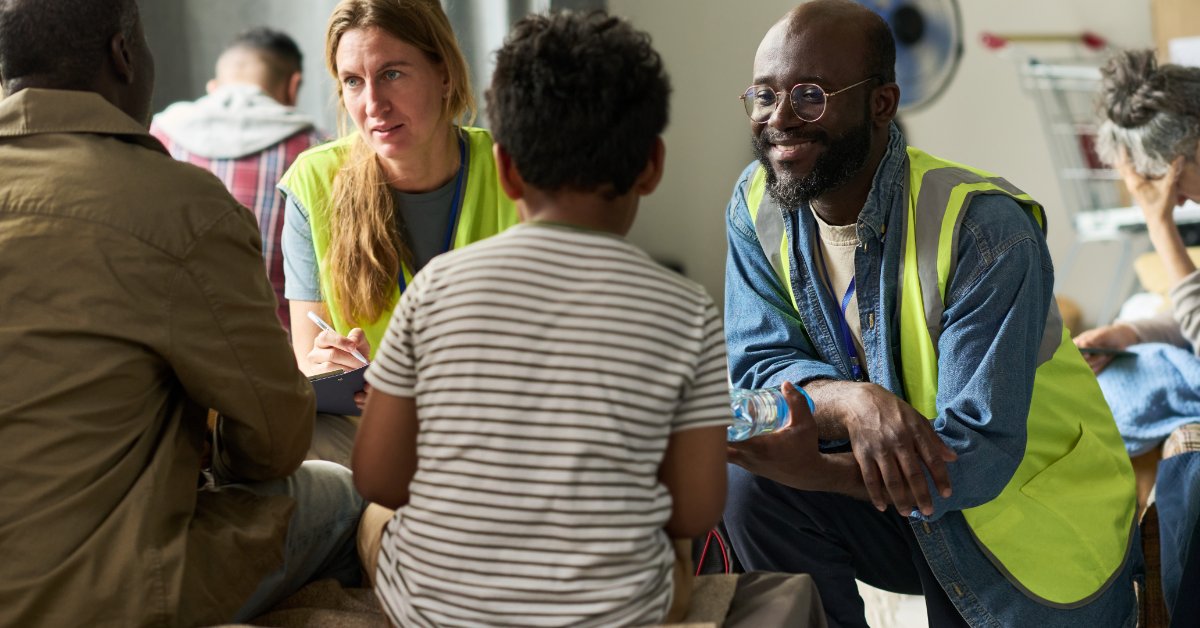
When a disaster disrupts daily life, something as simple as brushing your teeth can become difficult. People who leave their homes unexpectedly may have little access to everyday hygiene products. If you're assembling hygiene kits for a disaster, knowing which items to include helps you provide practical support. With thoughtful preparation, you can help people maintain their personal hygiene during an already stressful time.
Focus on Everyday Hygiene Needs
People displaced by disasters may spend days in temporary shelters or unfamiliar living arrangements. When choosing supplies, think about what someone would need to maintain basic hygiene without access to their belongings. Consider the conditions recipients might face throughout the day.
Someone staying in a shared shelter may have limited storage space or access to private washing facilities. As a result, large containers and products that require extensive preparation may be impractical. Smaller supplies are easier to store and use when space is limited.
Choose Practical Kit Essentials
When assembling a hygiene kit, focus on everyday essentials that recipients can carry comfortably. Since people may have limited access to running water, choose products they can use with minimal preparation. Consider the amount of space available in each kit as well.
Include the following essentials in your hygiene kits:
- Toothbrushes: Choose individually packaged brushes to keep them clean
- Toothpaste: Include travel-size tubes that fit comfortably inside each kit
- Soap: Choose individually wrapped bars to prevent contact with other supplies
- Hand sanitizer: Include small bottles for situations when handwashing facilities aren't available
- Menstrual products: Include individually wrapped products to accommodate personal hygiene needs
Account for Different Personal Needs
People's hygiene needs vary, so a standard kit may not work for everyone. When deciding which items to include in hygiene kits for a disaster, consider the recipients' ages and individual circumstances. A family with an infant, for example, may need supplies beyond those in a general kit.
If the receiving organization requests specialized kits, you can assemble supplies for different groups. This allows volunteers to distribute supplies according to recipients' needs. Instead of making assumptions, follow the organization's guidance when selecting supplies.
Keep Packaging Simple and Secure
Once you've gathered your supplies, pack them carefully to prevent damage during transportation. A sturdy, resealable bag keeps everything together and makes individual items easy to access. Check that liquid containers have secure caps to prevent leaks.
You should also confirm the organization's delivery arrangements, including when and where it accepts contributions. Some organizations prefer completed kits, while others need individual products for distribution. Following these instructions makes it easier for volunteers to receive and distribute your care packages for the homeless.
A useful disaster relief kit reflects the immediate needs of the people receiving it. By choosing practical essentials and following local guidance, you can prepare contributions that serve a clear purpose. 2Moda offers bulk hygiene supplies for individuals and organizations supporting disaster relief efforts. Explore available supplies and use your receiving organization's needs to guide your next contribution.