
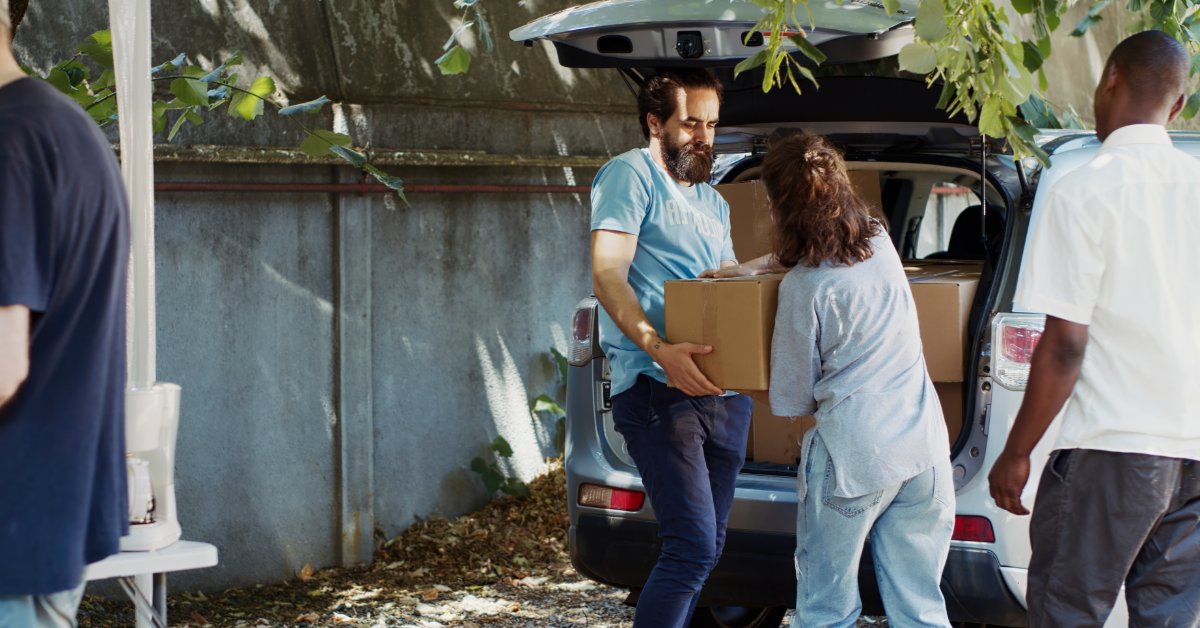
When you organize a community drive, a little planning saves time and keeps the process moving. These tips will help you simplify donation collection and sorting without making the project feel overwhelming. Keeping recipients’ needs in mind helps you make more thoughtful decisions throughout the process. That approach also helps volunteers stay focused and handle donated items with greater care.
Set Clear Expectations
You’ll save yourself plenty of extra work when you explain exactly what people should donate. Clear instructions reduce confusion and help donors choose items that match your goal instead of relying on guesswork. As a result, you’ll spend less time separating unsuitable products later.
You should also plan where people will leave their donations. A clearly marked drop-off area gives contributors a simple place to bring items and gives volunteers enough room to sort them as they arrive. That setup can keep the collection process organized from the beginning.
Sort As You Collect
Waiting until the end to organize everything can quickly create unnecessary delays. Instead, sort donations as they arrive so you can keep track of what you’ve collected and what still needs attention. This approach also helps volunteers identify damaged or unsuitable items before they reach the next stage of sorting.
You can keep the process simple by giving every category its own clearly marked space. Ask volunteers to follow the same routine throughout the event so everyone handles donations consistently. A consistent routine can simplify donation collection and sorting while making distribution easier later.
Keep Volunteers Organized
Volunteers work best when everyone understands the same process. A short explanation at the beginning gives volunteers clear direction and reduces repeated questions throughout the day. Additionally, clear instructions make it easier for new volunteers to follow the same process.
These simple habits help everyone stay on track:
- Clearly labeling collection containers
- Placing similar items together as they arrive
- Setting aside damaged items as you find them
- Keeping work areas clear for volunteers
- Checking filled containers before storage
Choose Practical Donations
Focus on items that recipients can use right away. Useful donations make distribution easier because volunteers spend less time deciding where each item belongs. Choosing useful items also reduces the time volunteers spend sorting donations that may not fit the drive’s purpose.
If you're collecting backpacks for a school drive, buying wholesale bookbags can make larger quantities easier to purchase and organize. Buying them in larger quantities can also make it easier to plan how you’ll pack and distribute the supplies.
Make Your Generosity Count
A clear process makes collection easier and reduces the potential problems you’ll need to address later. When volunteers know what to collect and where it belongs, they can move through the process with fewer questions. If you're preparing a larger donation drive, 2Moda offers bulk supplies for charitable giving and community outreach. Plan your collection around what recipients need, then gather supplies that support the purpose of your drive.